

Shaping Conservation With Precision: Capturing Quality Data to Safeguard Biodiversity

Behavioural Ecology
-
![Adult hawksbill turtle nesting on a beach]()
Marine Turtles
We have extensive experience monitoring marine turtles across all life stages. Our adult turtle monitoring helps you understand population size, distribution, and behaviour, while our hatchling monitoring identifies changes in orientation and sensitivities to artificial light.
-
![]()
Seabirds and Shorebirds
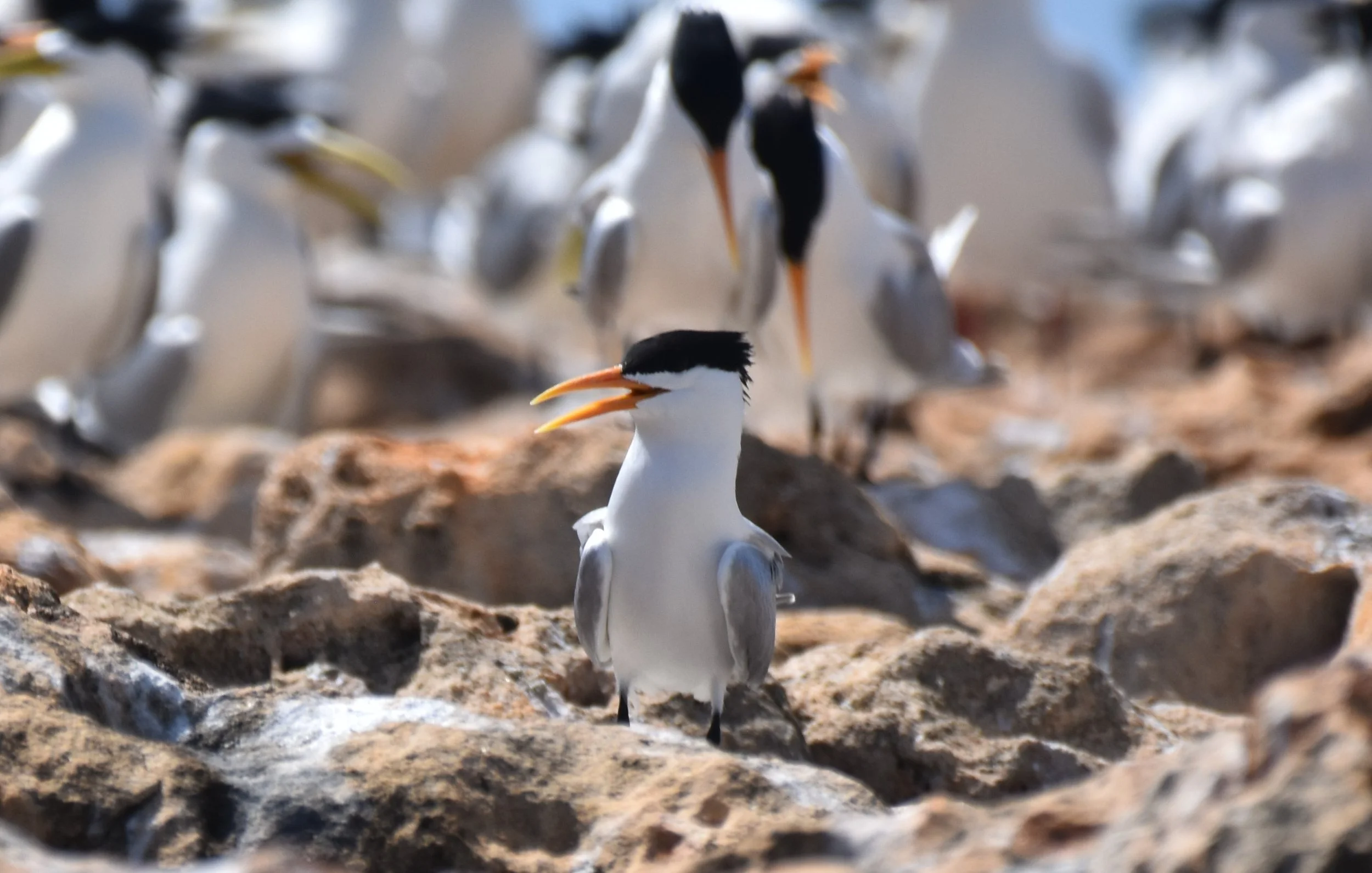
Our Ornithologists have extensive experience monitoring seabird and shorebirds across coastal and island habitats, providing robust data on species presence, abundance, and behavioural responses throughout the life of your project.
-
![]()
Bats
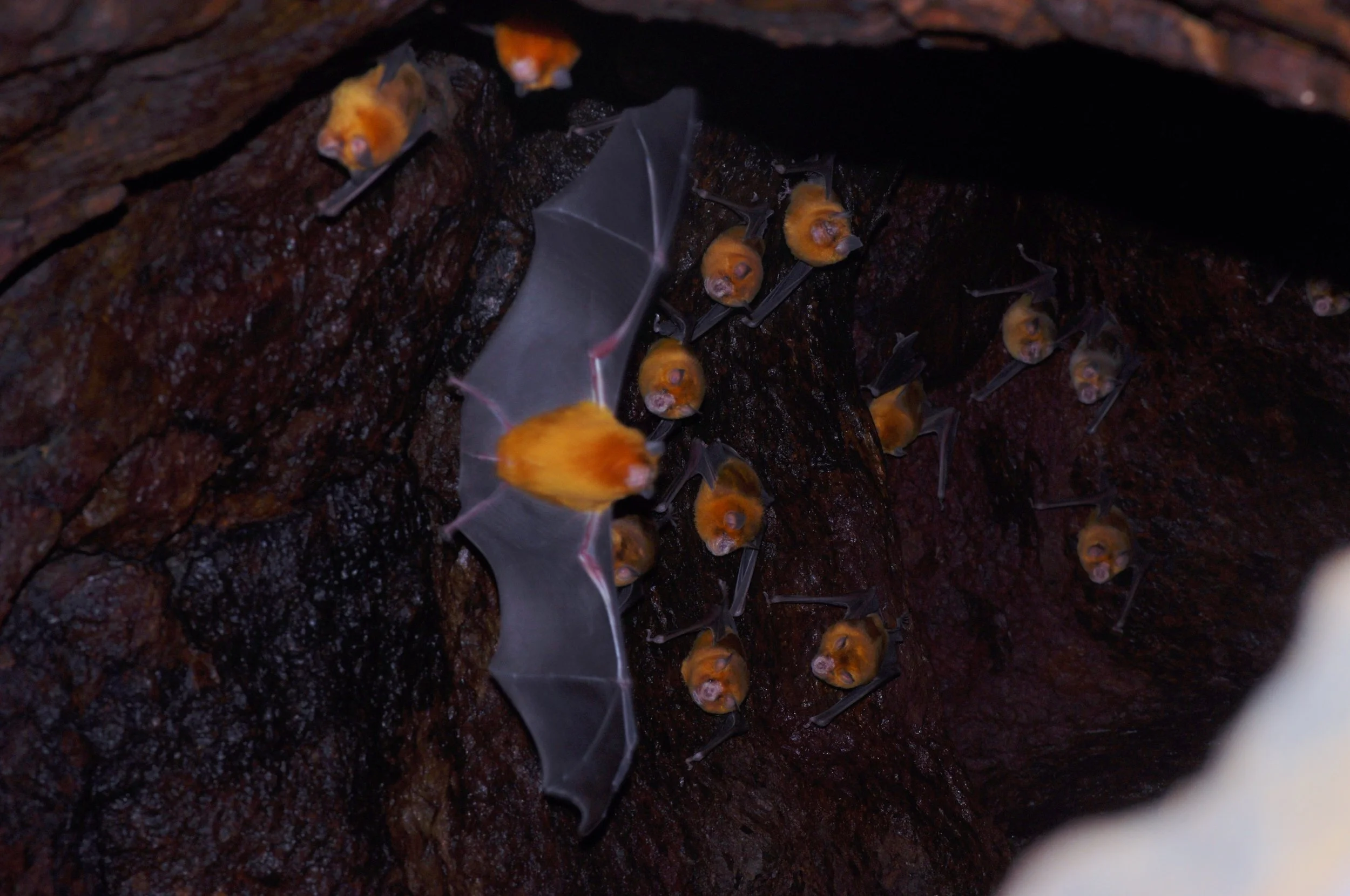
Artificial light can reshape how bats use the landscape, altering commuting routes, foraging behaviour, and the use of roost sites. We've partnered with Envisage Environmental, specialists in bat ecology, to interpret any change in behaviour and support a scientifically robust artificial light impact assessment.
-
![Approvals]()
Approvals
We can undertake tasks required as part of the environmental approval process, including drafting desktop assessments, literature reviews, monitoring/management plans, impact assessments, and regulatory compliance documentation.

Adult Turtles
Nesting Activity on the Beach
We have extensive experience in monitoring adult turtles and their nesting activity on beaches. The data we capture helps you understand the population’s size and importance, distribution, and behaviour in the vicinity of your project.
-
Tracks and nesting activity left in the sand after marine turtles return to the ocean can provide valuable insights for your project, including the size and importance of the turtle population. We apply either on-ground or aerial survey monitoring approaches to record this data and analyse it to identify the following:
Marine turtle species: We review the unique track pattern and dimensions to assign species.
Annual abundance: This can be estimated if a track survey is conducted over one inter-nesting period (i.e. the duration between successful nests) at the peak of their nesting season.
Nesting success: The proportion of tracks that result in a successful nest compared to the total number of tracks. This can indicate the reproductive success of the population and the productivity of the habitat.
Spatial distribution: Identifies areas of the beach that are selected by turtles for their nesting activities.
Temporal patterns: The timing of nesting activity within a season can reveal peak nesting periods and patterns in nesting behaviour. This is important if you need to design mitigation and control measures for your project.
-
The National Light Pollution Guidelines for Wildlife highlight the potential impact of artificial light on adult marine turtles returning to the sea after nesting. Adult turtles rely on natural light cues for orientation, and if they become disoriented by a project's artificial light, they may expend excessive energy crawling on the beach or risk becoming lost and stranded.
To assess this potential impact on adult turtles near your project site, we use on-ground or aerial monitoring techniques to record data from their tracks left in the sand. This data is then analysed to detect any changes in their orientation towards the ocean as indicated by specific criteria, such as the directness of their return journey and crawl distance.
-
Tagging individual turtles offers valuable insights into how your project may impact population demographics and habitat use over time. This includes:
Annual abundance: We estimate abundance of nesting female turtles by considering the number of sighted individuals, rate of their detection, and the survey effort across the season.
Spatial use: The sighting history and location of each nesting turtle is reviewed to determine the rate at which they return to the same beach each season to lay their eggs, indicating potential disturbances related to your project.
Temporal patterns: The duration between nesting events within a season or between seasons is determined to assess any impact on their nesting frequency and behaviour.
Incubation Success of their Eggs
-
Following the burial of turtle eggs in a nest, they incubate in the sand, relying on the surrounding environment for successful embryo development. Any alteration to this environment during incubation — such as through beach erosion/renourishment, subsidence, or tidal inundation — can negatively impact embryo survival and hatching success rates.
Our monitoring approach involves an on-ground survey to identify and mark recently laid turtle nests at habitat near your project site. We also deploy a temperature logger in each nest to continuously record the thermal conditions during incubation. After incubation, we revisit each nest to retrieve the nest contents and count the hatched and unhatched eggs.
Data analysis can identify the hatching success of nests, incubation duration and environment, and any patterns and influencing factors across the habitat, such as the beach profile, temperature fluctuations, predation, or flora.
Distribution and Behaviour Offshore
-
The fine-scale offshore movement and behaviour of sea turtles within the immediate area of your project site can be revealed via the use of satellite tracking technology.
We can attach tracking units to the shells of sea turtles after they have nested on the beach. Once in the water, the units collect GPS quality location data and dive records, and subsequently transmit it to an overhead satellite network when the turtle surfaces to breathe.
Our analysis of the received data can reveal the turtle’s movement patterns, habitat use, and diving behaviour. This information is invaluable for understanding their risk of impact from your offshore project activities, such as dredging and vessel transfers, and for prioritising controls and designing mitigation measures to minimise this risk.

Hatchling Turtles
Orientation on the Beach
Hatchling marine turtles emerge en masse from their nest and use specific cues to orient themselves on the beach as they crawl to the ocean. However, if your project's artificial light disrupts these cues, the hatchlings may become disoriented during their journey to the ocean, expending excessive energy on the beach, or risk becoming lost and stranded.
To assess this potential impact on their behaviour near your project site and determine the cause, we combine our artificial light monitoring outputs with the following on-ground monitoring approaches:
-
We measure the orientation of hatchling tracks left in the sand the following morning after their emergence. Our on-ground team will identify the point of emergence from the nest onto the beach and record the outer angles of the tracks left by the group of hatchlings (referred to as a 'nest fan').
-
Arena trials involve the controlled release of a group of hatchlings onto the beach during night-time to evaluate the influence of artificial light visible on the horizon. Our field team smooths out a circular area of the beach to create the arena, from which hatchlings are released at its centre. The angle of each hatchling track where they exit the arena is then measured from the centre.
Arena trials are repeatable under very similar conditions including the moon phase and the location on the beach, allowing for a comprehensive assessment of your project's artificial light impact over time.
Predation Monitoring
-
Project activities can introduce new food sources or alter night-time lighting conditions, attracting introduced predators like foxes, cats or feral pigs, or increasing the numbers of natural predators like seagulls. These predators also prey on hatchling sea turtles or their incubating eggs, and if the project site is near the coastline, it may elevate the rate of their predation on the beach.
We can monitor for the occurrence of predation throughout the life of your project by utilising remote sensing wildlife cameras at marked turtle nest sites. This allows us to identify the prey species, observe their behavior, and determine the rate of predation.
Dispersal and Behaviour Offshore
-
Once in the ocean, hatchling turtles rely on cues like wave fronts and changes in seabed depth to move away from predator-rich nearshore areas. Offshore artificial light sources, like vessels or infrastructure, can disturb these cues, causing hatchlings to swim slower or move towards the light. These changes can expose them to more predators or prevent them from reaching the open ocean.
We collaborate with a provider of innovative acoustic equipment that can be attached to hatchling turtles, allowing us to detect their movements and occurrence of predation within the nearshore area. We can establish a benchmark prior to your project's offshore activities, and assess and monitor change over time.
Seabirds and Shorebirds
Surveys
Specialised surveys are conducted to support environmental compliance requirements. These surveys are designed to assess the presence, abundance, and activity of seabird and shorebird species in areas near to project activities. The survey results inform environmental management plans and regulatory reporting to ensure alignment with state and national environmental legislation.
-
A comprehensive suite of survey techniques is employed to monitor seabird populations, encompassing both burrowing and open ground nesting species. Methods are selected based on colony type, location, and accessibility, and include:
On-foot ground surveys to locate nesting sites, assess habitat condition, and record breeding status.
Vessel-based surveys to monitor offshore colonies and foraging activity.
UAV surveys to cover large or inaccessible areas with minimal disturbance.
Burrowscoping to assess occupancy and breeding success of burrow-nesting species.
Helicopter or light aircraft surveys utilising ornithologist observers alongside video and still imagery to estimate populations and monitor remote sites at scale.
-
Ongoing monitoring is conducted at sites affected by contamination or regulatory non-compliance, covering risk assessment, remediation, and post-rehabilitation evaluation. Where environmental risks to seabird populations are identified, targeted actions are implemented to restore habitat quality, including removal of contaminants, re-vegetation, and habitat enhancement. Recovery is then tracked through post-rehabilitation monitoring to ensure continued compliance with environmental standards, supporting the long-term health of seabird and shorebird habitats and safeguarding biodiversity.
Interaction Management
Mitigation strategies are implemented to minimise seabird interactions with project activities, especially around infrastructure such as helipads, wharves, and access roads. Key interventions include:
-
Placement of decoys for tern species at preferred nesting sites and use of corralling at chick creche areas to attract breeding activity away from operational areas.
-
Installation of temporary or permanent fencing to manage the movement of birds, especially chicks, and reduce the risk of collision or disturbance from machinery and personnel.

Approvals
Our long-term involvement with marine turtles, seabirds, and shorebirds in Australia provides us with a unique understanding of their breeding cycles and habitat ranges, and an awareness of relevant data and publications. This allows us to predict their likely presence near your project at specific times of the year and enhances our ability to conduct thorough desktop assessments, literature reviews, and gap analysis. It also helps inform the design of future monitoring plans and risk assessments that comply with the requirements of the Commonwealth’s National Light Pollution Guidelines for Wildlife and Recovery Plan for Marine Turtles in Australia 2017 - 2027.
Our plans and assessments help regulators understand your project's potential impact on marine turtles, seabirds, and shorebirds, and the proposed trigger and threshold criteria used to monitor change over the life of your project. This ensures that your project aligns with State and Commonwealth conservation objectives and policies relevant to these species. With our expertise, we offer valuable guidance and support throughout your approval process, while ensuring the safeguarding of marine turtles, seabirds, and shorebirds near your project.
